Get Your Product Data Ready for January: How Fashion Brands Win Early-Year Sales


How about this: It's January 2nd, and a shopper is hunting for the perfect red wool coat in size medium. They land on your site, type their search, and… scroll through pages of mismatched results. No size filter. Vague color descriptions. Half the products missing key details. Frustrated, they click away… straight to your competitor.
Now imagine the opposite: They find exactly what they want in three clicks. Clean filters. Crisp descriptions. Every detail at their fingertips. They checkout with confidence, maybe even add a matching scarf.
The difference? Your product data.
January isn't just another month. It's actually a battlefield. Post-holiday returns collide with clearance hunters and new-year wardrobe planners, all moving fast and expecting perfection. In this high-stakes window, messy product data doesn't just slow you down. It costs you sales, erodes trust, and hands your customers to brands that got their catalogs right.
According to Salsify's 2025 Consumer Research Report, 87% of shoppers are more likely to buy from brands they trust, and comprehensive product information is the foundation of that trust. The first week of January can make or break your early-year revenue. The question is: Will your product data help you win, or let you down when it matters most?
Why Product Data Optimization Matters in January
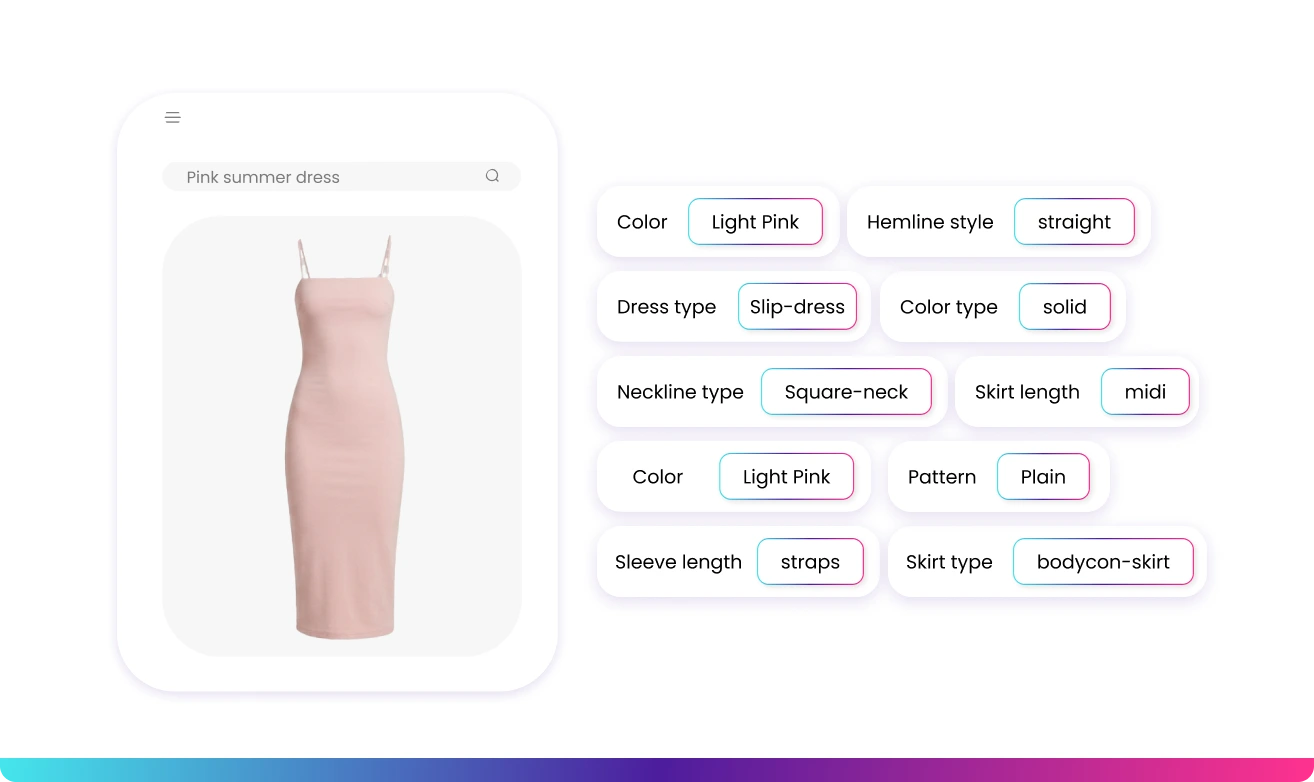
Optimized product data goes beyond accuracy. Rich descriptions, detailed attributes, and SEO-friendly content improve product visibility in search and filter options, ensuring that customers quickly find what they want. For example, a shopper looking for a “red wool coat in size M” shouldn’t have to scroll through unrelated items. Catalog enrichment for retail ensures that your products are discoverable, appealing, and ready to convert, which is especially important during post-holiday shopping peaks and clearance events.
Moreover, good product data reduces operational headaches. It minimizes returns caused by inaccurate descriptions, enhances trust, and allows teams to focus on creative and strategic tasks instead of repetitive manual updates.
Industry Insight: Studies show that stores with fully optimized product data see up to 30% higher conversion rates during seasonal promotions. Additionally, 40–50% of post-holiday shoppers start browsing for clearance and new collections in the first week of January, making early readiness critical.
Understanding January Shoppers and Trends
Post-holiday shopping behavior is unique:
- Many customers are returning gifts or browsing clearance items at discounted prices.
- Shoppers are planning their new-year wardrobes, often browsing multiple categories quickly.
- Filters and search tools become essential—if product attributes are missing or inconsistent, shoppers are likely to leave without purchasing.
By understanding these behaviors, fashion brands can better prepare catalogs and ensure products are easy to find, enhancing customer satisfaction and driving sales during early-year promotions.
Common Pain Points for Fashion Ecommerce Teams
Fashion brands face a variety of challenges in preparing for January:
- Time-consuming manual data entry: Slows down launches and consumes valuable team bandwidth.
- Inconsistent product information: Confusing listings hurt customer trust and increase support queries.
- Limited product discovery: Missing or inaccurate attributes prevent customers from finding products quickly.
- Slow adaptation to trends: Seasonal items and new collections need rapid updates to stay relevant.
- High operational costs: Managing large catalogs manually is inefficient and expensive.
Addressing these challenges is crucial for capitalizing on early-year shopping trends and post-holiday momentum.
Strategies to Prepare Your Fashion Store for January Shopping
1. Automate Product Data Entry
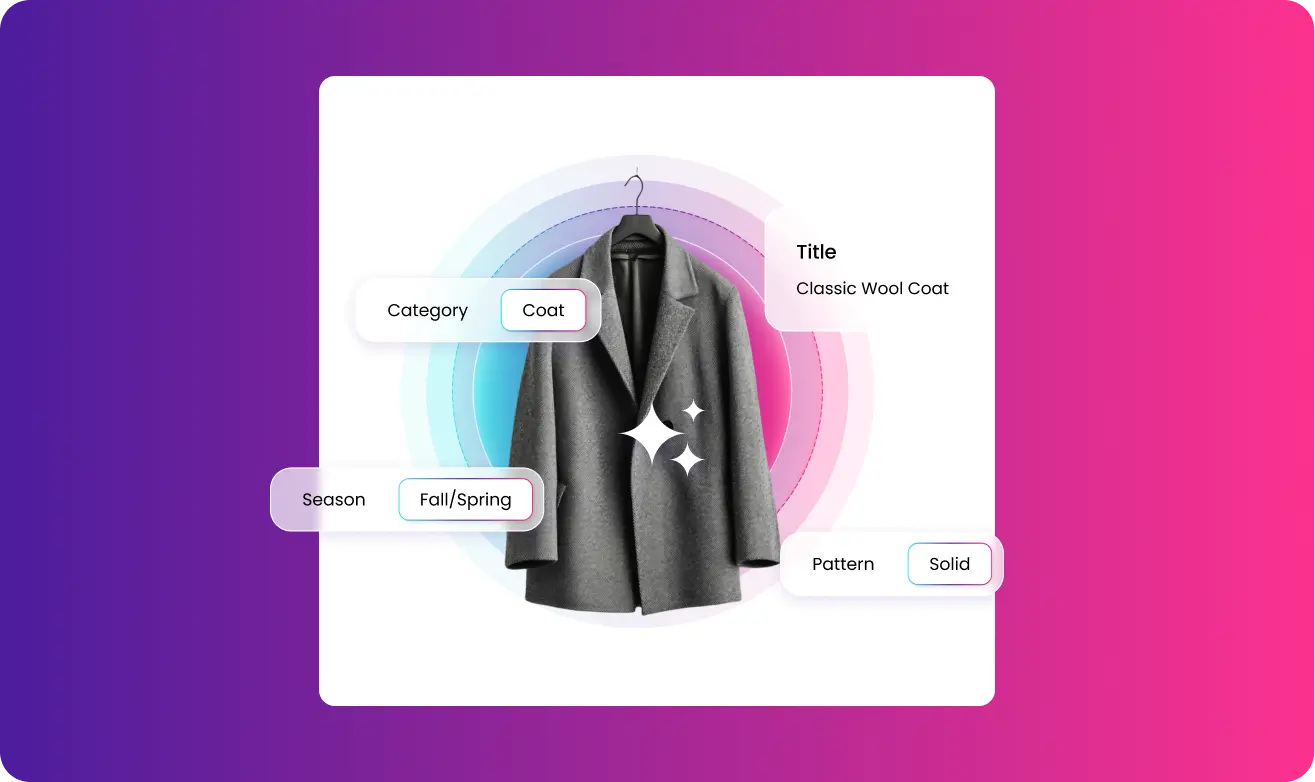
Automated tagging and enrichment reduce human errors, speed up catalog updates, and free teams for strategic initiatives like marketing and merchandising. AI-powered automation can even suggest missing attributes or optimize titles for searchability.
2. Enhance Product Discoverability
Rich metadata and detailed attributes improve filtering and search, ensuring shoppers can find exactly what they want without frustration. Optimizing product data for early-year sales also ensures that even large catalogs remain easy to navigate.
3. Standardize Brand Voice
Consistent product descriptions reinforce brand identity, making your store feel professional and trustworthy. This helps maintain credibility during post-holiday and clearance promotions when shoppers compare multiple stores quickly.
4. Integrate Across Platforms
Seamless synchronization with ecommerce platforms, PIM systems, and marketplaces reduces discrepancies and ensures accuracy, even during peak periods. Customers see the same accurate information regardless of where they shop.
5. Leverage SEO and Trend Data
Optimized descriptions improve organic search visibility while keeping listings aligned with seasonal trends, clearance strategies, and post-holiday shopping behaviors.
6. Focus on Early-Year Promotions
Plan product launches, discounts, and bundles in advance, using enriched product data to make each promotion compelling and easy to find. Timely updates help fashion brands capture attention before shoppers move on to other retailers.
7. Prepare Product-Specific Details
- Clothing & Apparel: Ensure sizes, colors, and materials are clearly tagged.
- Accessories & Footwear: Highlight unique features like material, style, and seasonality.
- New Collections: Tag seasonal trends and marketing descriptors to align with campaigns.
January Product Data Optimization Checklist
To ensure your catalog is ready, follow this practical checklist:
- Audit your current catalog for missing or inconsistent attributes
- Update seasonal collections and clearance items
- Standardize product titles and descriptions for brand consistency
- Optimize product metadata for search filters and SEO
- Ensure data is synchronized across all platforms
- Plan early-year promotions using enriched product data
- Review analytics to track product performance and optimize listings
This checklist helps teams stay organized and ensures that no key element is overlooked before the start of January sales ecommerce campaigns.
The Role of AI in Fashion Ecommerce
AI tools are transforming the way fashion brands prepare for early-year sales. From automatically generating descriptions to enriching metadata and predicting which products need updates, AI reduces manual labor while increasing catalog accuracy.
- Automatic tagging: Speeds up product entry and reduces human error.
- Description generation: Creates consistent, brand-aligned content for thousands of products.
- Data enrichment: Fills gaps in attributes, ensuring discoverability and SEO optimization.
By leveraging AI, fashion brands can stay agile, keep listings relevant, and reduce operational costs, allowing teams to focus on creativity and strategy rather than repetitive tasks.
The Clock Is Ticking And Your Competitors Know It
Here's the reality: While you're reading this, your competitors are already optimizing their catalogs. They're automating product tagging, enriching metadata, and polishing every description to perfection. By the time January 1st hits, their stores will be primed for conversion while shoppers struggle to navigate yours.
The January window doesn't wait. Those first seven days capture 40–50% of post-holiday shoppers actively hunting for deals and planning new wardrobes. Miss this moment, and you're not just losing sales; you're losing customers who'll remember which brands made shopping effortless and which ones wasted their time.
Every day you delay is revenue left on the table. Every inconsistent product listing is a customer clicking over to a competitor. Every missing attribute is a filtered search that excludes your products entirely.
But here's the good news: It's not too late to get ahead.
For teams juggling massive catalogs and impossible deadlines, tools that automate tagging, enrich metadata, and generate brand-consistent descriptions transform weeks of manual work into hours of strategic preparation. Suddenly, every product becomes sales-ready. Your team stops drowning in spreadsheets and starts focusing on what actually drives growth.
Pixyle.ai makes this transformation possible. By automating product tagging, enriching metadata at scale, and standardizing descriptions across thousands of SKUs, Pixyle helps fashion brands turn catalog chaos into conversion engines. Your products become discoverable. Your customers find exactly what they want. Your team reclaims their time.
The brands that dominate January sales don't work harder; they work smarter. They let AI handle the heavy lifting while they focus on strategy, creativity, and customer experience.
The question isn't whether you need optimized product data. It's whether you'll have it ready before your competitors capture the customers you're about to lose.
Don't let January slip away. Get your catalog ready now.
Discover Pixyle Ultimate Dress type Taxonomy Guide
Learn how to structure your catalog in a way that matches how people actually shop.


Boost your sales with AI product tagging
Optimize your eCommerce catalog to improve discovery and conversions.
Related posts
Stay updated with our latest blog posts.