Fashion Week is the calendar’s most anticipated moment for the industry. Every season, designers showcase London Fashion Week FW26 collections that set the tone for the next wave of trends. But here’s the catch: while these trends generate massive visual inspiration, they don’t automatically translate into revenue.
In today’s fashion week trends ecommerce ecosystem, visual inspiration alone is insufficient. Shoppers may fall in love with a look on the runway, but if your products aren’t search optimized, algorithms won’t surface them in search results or recommendation engines.
For ecommerce, marketing, and merchandising teams, the question isn’t just “what’s trending?” It’s:
How fast can we turn runway inspiration into structured, searchable products?
Why Visual Trends Don’t Automatically Sell
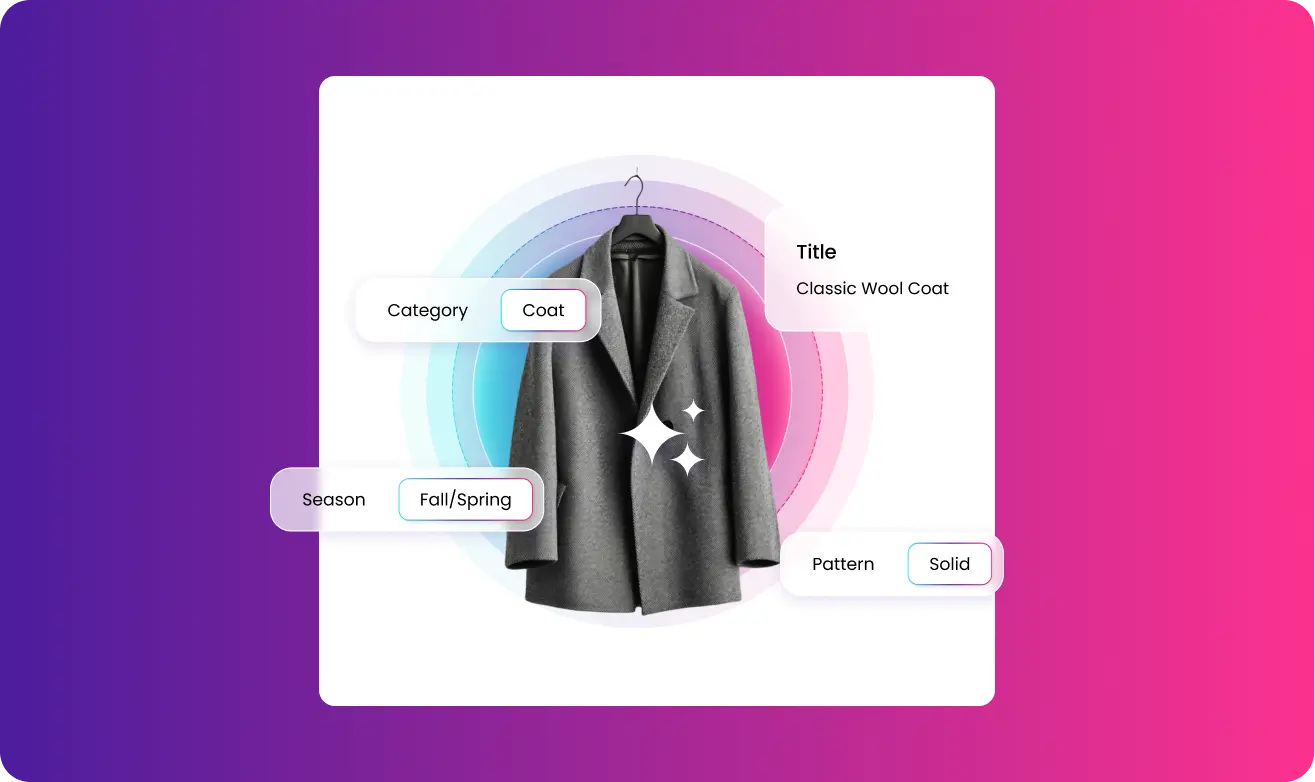
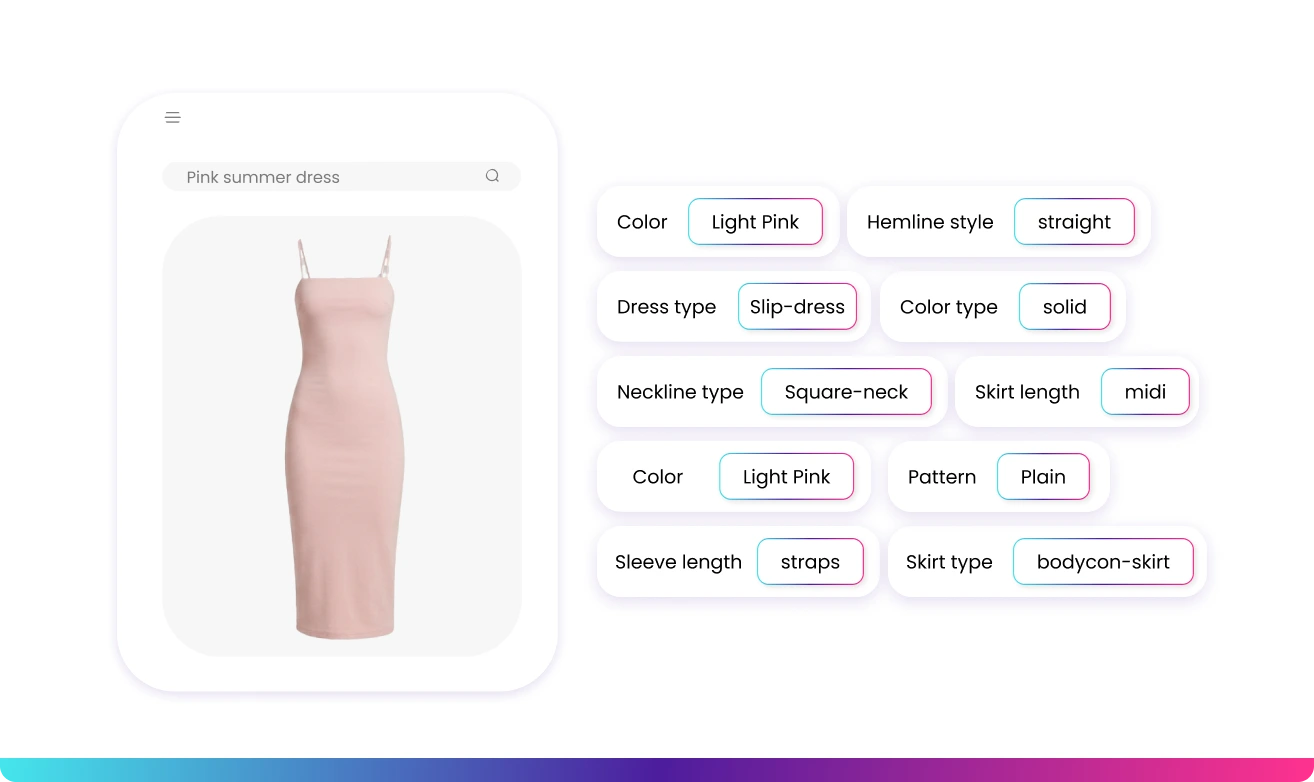
Trends are born on the runway, but ecommerce platforms don’t see fashion the way humans do. While you and your customers can admire a metallic jacket or oversized blazer, algorithms require structured fashion attributes to surface products effectively.
Search engines and LLM-driven interfaces prioritize:
- Structured fashion attributes like material, fit, sleeve, and color
- Semantic consistency across product listings
- Descriptive depth that clearly conveys style and purpose
Without these elements, your FW26-inspired products remain invisible, even if the trend is hot on Instagram and TikTok.
The challenge: delays in creating search optimized product content reduce early-stage demand capture and lower your ranking potential. Essentially, speed to market with algorithm-friendly data determines sales.
How Fashion Week Trends Translate to Ecommerce
Understanding how fashion week trends translate to ecommerce is critical for competitive brands. Shoppers searching for items like:
- “FW26 oversized tailored blazer”
- “sheer layered dress London Fashion Week”
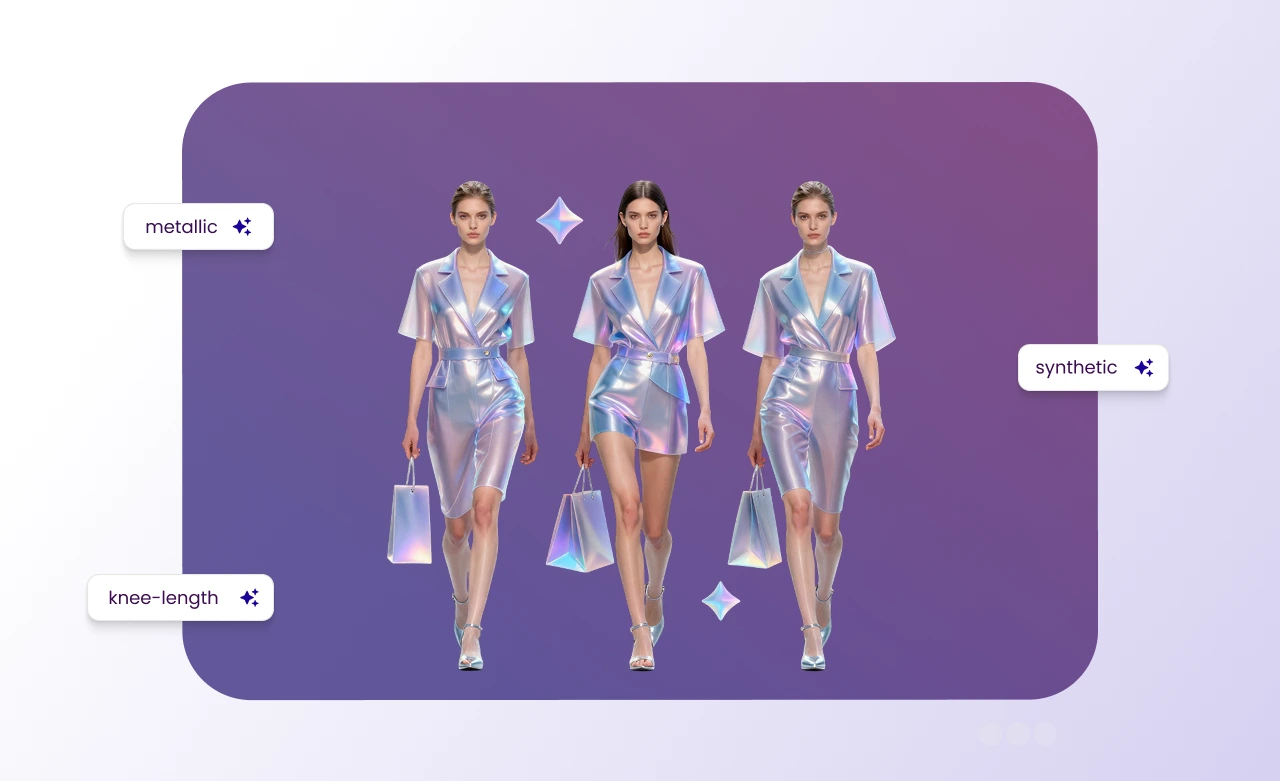
- “metallic eveningwear FW26”
expect products to appear immediately in search results. Algorithms match queries against structured fashion attributes, product titles, tags, and metadata.
If your listings aren’t structured or optimized, even a perfect runway look will fail to appear. That’s why turning runway inspiration into searchable products is no longer optional, it’s essential for fashion product discoverability.
Manual Processes Slow Teams Down
Most fashion teams still rely on manual processes for product content creation. This approach is costly and inefficient:
- Ecommerce teams struggle to get new collections online fast enough.
- Marketing teams fight to optimize product copy for SEO across multiple channels.
- Merchandising teams face difficulty maintaining consistency and granularity across large catalogs.
Manual data entry is slow, error-prone, and often inconsistent, which affects fashion product discoverability, sales, and overall customer experience.
Pixyle.ai Makes Trends Discoverable
Pixyle.ai is an AI-powered platform that turns images into search optimized product content automatically. By analyzing product images, Pixyle.ai generates:
- Structured fashion attributes for every product
- SEO-ready product titles and descriptions
- Intelligent tags and FAQs
- Multi-channel-ready content that is AI-discoverable
With Pixyle.ai, teams no longer have to manually translate visuals to product content. Everything is automated, standardized, and ready for search engines, filters, and AI-powered recommendations.
Real Results From Brands Using Pixyle.ai
Pixyle.ai’s approach isn’t just theoretical — it drives measurable impact.
Otrium Boosts Productivity by 90%
Using Pixyle.ai’s machine learning, Otrium automated their product tagging process. This significantly improved efficiency and accuracy, letting their ecommerce and merchandising teams focus on strategy instead of manual work.
Thrifted’s eBay Revenue Soars 10x
Thrifted leveraged Pixyle.ai’s AI-powered tagging and image moderation to transform their product listings process. By doubling efficiency, they significantly increased sales on eBay, proving that structured fashion attributes and search optimized product content directly impact revenue.
These examples highlight how AI-generated product content accelerates launches, improves fashion product discoverability, and boosts sales.
How Teams Benefit From Pixyle.ai
Here’s how ecommerce, marketing, and merchandising teams leverage Pixyle.ai to capture trend-driven revenue:
For Ecommerce Teams
- Launch catalogs faster during peak seasons
- Ensure fashion product discoverability across platforms
- Reduce errors and product returns
For Marketing Teams
- Automatically generate search optimized product content
- Improve SEO and organic traffic
- Stay on top of seasonal and runway trends
- Generate AI-ready product content
For Merchandising Teams
- Maintain accurate, granular structured fashion attributes
- Optimize assortment planning based on product attributes
- Scale catalogs without adding headcount
We create a single source of truth for product data, allowing cross-functional teams to work faster, smarter, and in sync.
Actionable Steps to Turn Runway Inspiration Into Revenue
To ensure FW26 trends actually sell, teams should:
- Capture trends early, monitor runway shows and social buzz
- Convert visuals into structured product data, use AI platforms to automate this step
- Publish SEO-friendly, AI-ready content immediately, don’t let early demand pass by
- Update listings dynamically, seasonal collections, limited editions, or trending colorways must be continuously refreshed
- Measure discoverability and conversions, track performance by attributes to inform merchandising decisions
By following this workflow, teams can optimize fashion trends for AI discovery and maximize revenue.
FW26 trends don’t sell unless algorithms can read them.
For fashion industry professionals, ecommerce, marketing, and merchandising teams, success depends on turning visual inspiration into searchable, AI-ready product content quickly and accurately.
Don’t let FW26 trends get lost in translation. Make them discoverable, shoppable, and profitable with Pixyle.ai.
Discover Pixyle Ultimate Dress type Taxonomy Guide
Learn how to structure your catalog in a way that matches how people actually shop.


Boost your sales with AI product tagging
Optimize your eCommerce catalog to improve discovery and conversions.

Related posts
Stay updated with our latest blog posts.