Let us set the scene: trends move at TikTok speed, shoppers expect mind-reading accuracy, and “uploading products manually” sounds as outdated as low-rise jeans. Welcome to 2025. This is the year AI stopped lurking in strategy decks and started running the show in fashion eCommerce. Behind every flawless product page, lightning-fast launch, and eerily spot-on recommendation is an algorithm working overtime. With the AI fashion market blasting past $2.92 billion, one thing became clear fast; brands that automated thrived, brands that didn’t… scrolled into irrelevance. Here’s how AI quietly took over every corner of the fashion retail experience and made it look effortless.
The Rise of Automation in Fashion eCommerce
One of the most significant changes this year has been the widespread adoption of automation in fashion ecommerce. Traditionally, managing product catalogs was a labor-intensive process. Teams of content creators, product managers, and eCommerce specialists spent countless hours manually entering product titles, descriptions, and attributes. This not only delayed product launches but also introduced inconsistencies across platforms, leading to customer frustration and lost sales.
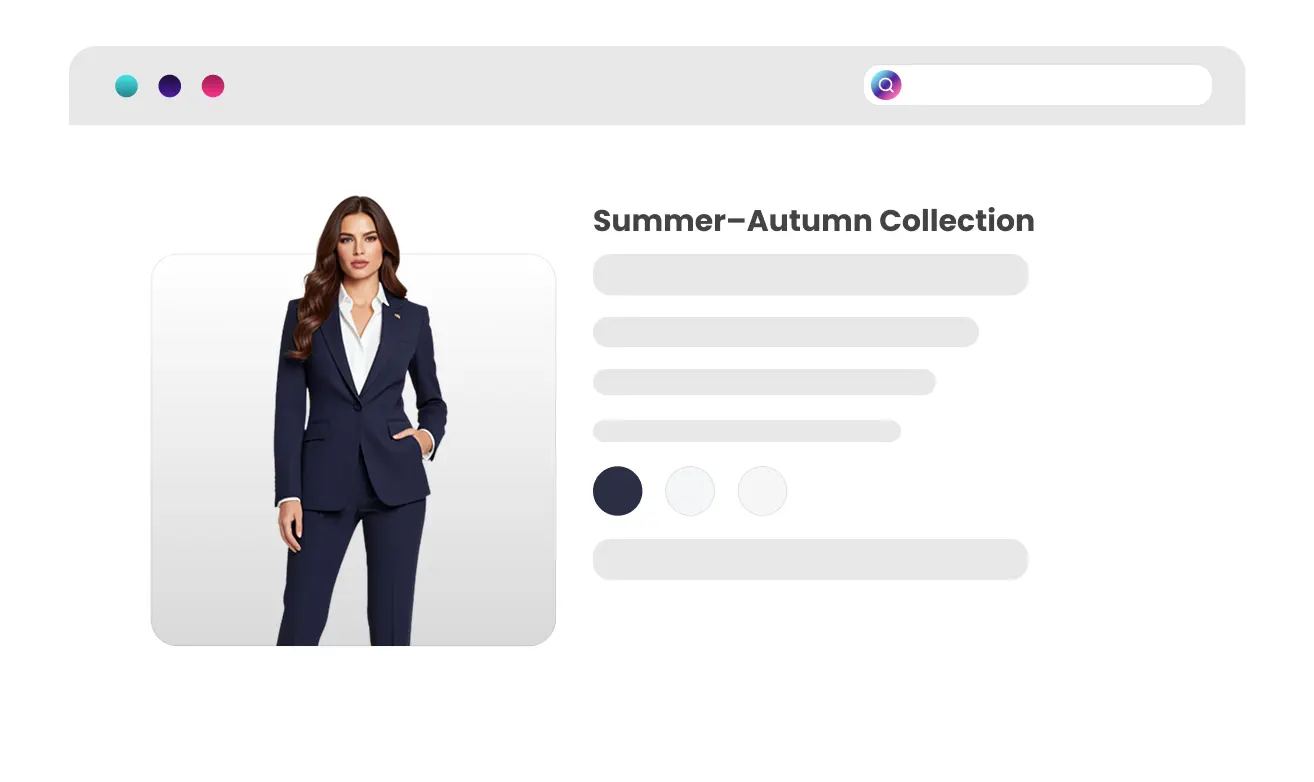
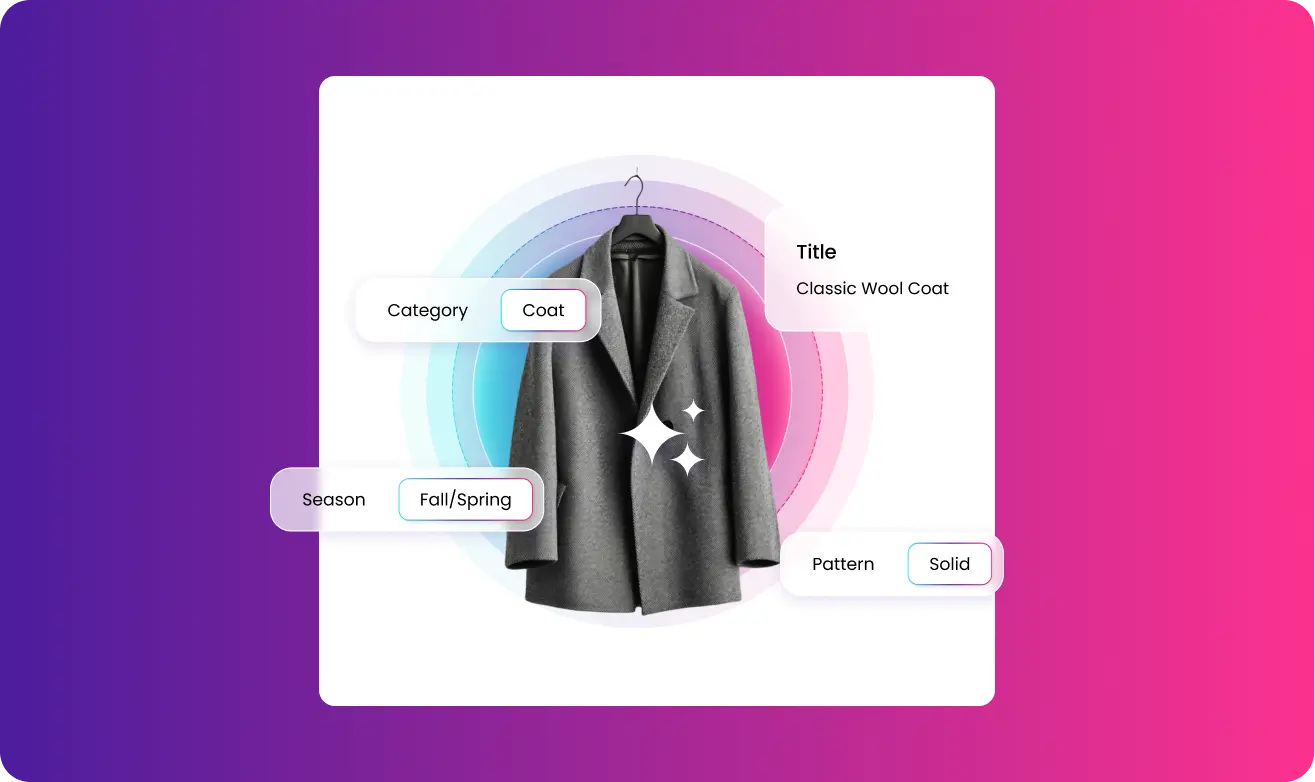
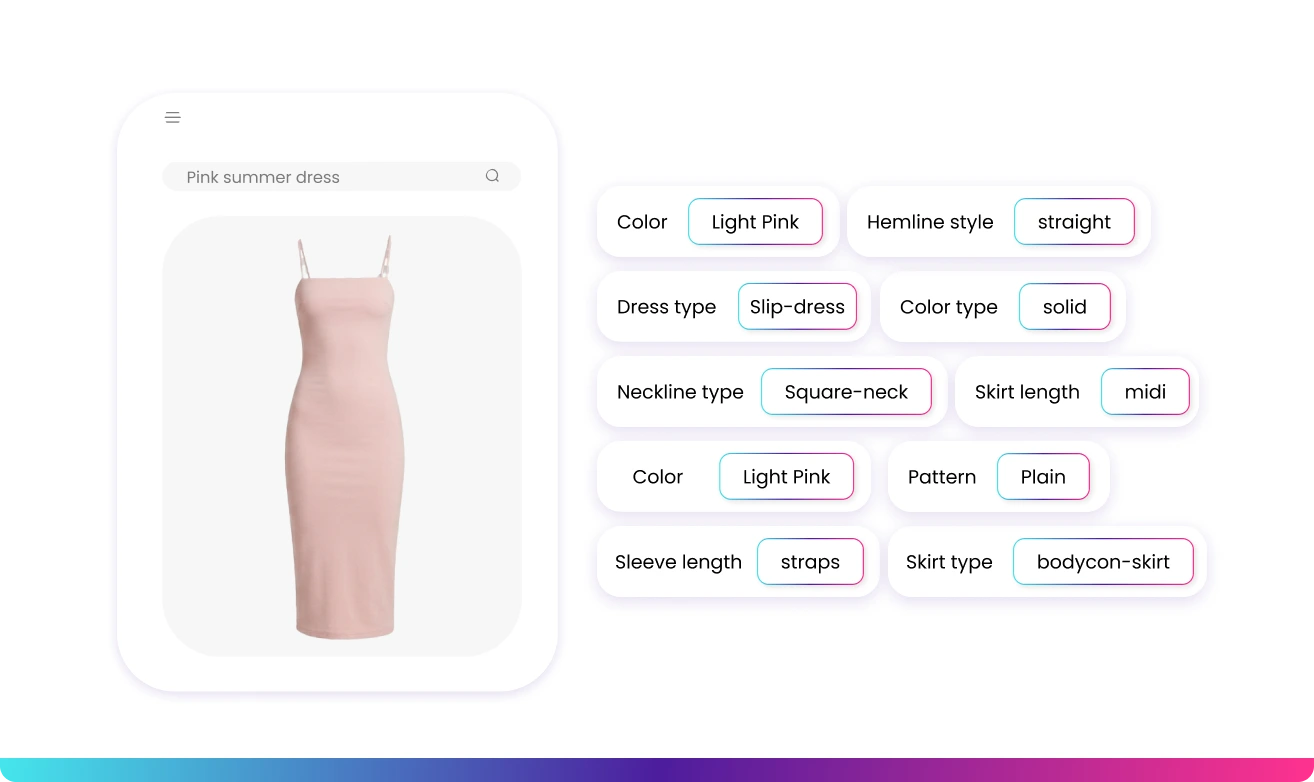
In 2025, AI tools have revolutionized this process. Automatic tagging and AI-driven product description generation now allow brands to create accurate, rich product data in a fraction of the time. For example, a fashion brand with thousands of SKUs can now automatically generate titles, descriptions, and metadata for each item while maintaining a consistent brand voice. This reduces human error, saves time, and cuts operational costs, freeing teams to focus on strategy, trend forecasting, and marketing campaigns.
Enhancing Product Discoverability and Customer Experience
Another key trend in fashion product data trends has been the enrichment of product attributes for better discoverability. Customers often abandon searches when products lack sufficient details, such as fabric type, size options, or color variations. AI enables retailers to automatically populate these attributes, improving search filters and recommendation engines.
This is more than just convenience, it directly affects customer satisfaction and sales. Shoppers are more likely to purchase when they can easily find exactly what they’re looking for. Moreover, enriched product data supports SEO optimization, helping fashion brands appear higher in search results. This not only increases organic traffic but also strengthens brand credibility. In essence, AI is helping brands create product pages that are both shopper-friendly and optimized for digital visibility, which is critical in the highly competitive fashion eCommerce market.
Speeding Up Time-to-Market
In fast-paced fashion, timing is everything. Seasonal collections, limited-edition drops, and trend-driven items can lose their relevance if they aren’t listed quickly. Historically, manual product data entry slowed down launches, causing missed sales opportunities and decreased competitiveness.
AI-powered platforms have changed this dramatically. By automating the creation and tagging of product listings, fashion brands can publish new products almost in real-time. This rapid rollout ensures that retailers capitalize on trends, whether it’s a viral color palette, a celebrity-endorsed collection, or a seasonal must-have. In 2025, we’ve seen brands achieve launch times that were previously impossible, giving them a clear edge in a market that thrives on speed and trend responsiveness.
Personalization and Data-Driven Insights
One of the most exciting developments in 2025 is how AI has transformed fashion ecommerce insights. Beyond operational efficiency, AI now enables brands to gather granular data on product performance. For example, analyzing which colors, sizes, or materials perform best allows merchandising managers to optimize inventory, forecast demand, and adjust marketing strategies.
AI also supports personalization at scale. Recommendation engines powered by AI can analyze a shopper’s browsing behavior, past purchases, and preferences to suggest products they are most likely to buy. This not only improves conversion rates but also enhances brand loyalty. In a market where customers expect tailored experiences, AI has become a key differentiator for brands looking to stand out.
Adapting to Global and Seasonal Trends
Fashion is global, and in 2025, AI has made international expansion and localization far easier. Retailers no longer need to manually translate product descriptions for each region or market. AI-driven translation ensures that listings are accurate and culturally relevant, enabling brands to reach a wider audience without adding extra operational strain.
Additionally, seasonal and limited-edition collections can now be listed and updated automatically, ensuring that inventory is accurately represented across all platforms. This has been particularly impactful during peak periods, such as holiday seasons or fashion weeks, when time-to-market and accuracy are critical for maximizing sales.
Addressing Common Pain Points in Fashion Retail
Beyond efficiency and speed, AI in 2025 has solved persistent operational and strategic challenges:
- Inconsistent product information: Automated tagging and description generation ensure data uniformity, reducing customer confusion and return rates.
- High operational costs: By automating repetitive tasks, fashion retailers can reduce labor costs and redirect resources toward creative and strategic projects.
- Poor customer experience: Accurate, detailed product descriptions improve shopper satisfaction and build trust.
- Difficulty scaling catalogs: AI scales effortlessly with growing inventories, maintaining data accuracy across thousands of SKUs.
- Slow adaptation to trends: AI allows listings to reflect current trends quickly, keeping brands competitive in a fast-moving market.
These capabilities highlight how AI is no longer just a tool for efficiency, it is a strategic enabler that affects every aspect of the fashion retail ecosystem.
2025 Insights for Fashion eCommerce Brands
Looking back, how AI changed fashion retail in 2025 is clear: it has streamlined operations, improved data quality, accelerated launches, and enhanced customer experiences. The biggest technology trends of 2025 were all connected to leveraging AI for smarter decision-making, better personalization, and operational efficiency. Retailers that embraced AI-driven solutions have gained a competitive advantage, while those who remained reliant on manual processes faced increased costs, inefficiencies, and missed opportunities.
The Role of Pixyle.ai in 2025’s AI Revolution
By now, the pattern is obvious. If your team is still wrestling spreadsheets, chasing missing attributes, or delaying launches because product data isn’t ready, the problem isn’t ambition; it’s tooling. 2025 made one thing painfully clear: fashion eCommerce doesn’t slow down for manual processes. Pixyle.ai is built for exactly this reality. It takes the heavy lifting off your plate by automating product data, enriching every listing, and keeping your catalog clean, consistent, and ready to sell everywhere. Less chaos. Fewer bottlenecks. Faster drops. More time for the work that actually moves the brand forward. If this year taught fashion retailers anything, it’s that AI isn’t optional anymore and Pixyle.ai is how you keep up without burning out.
Discover Pixyle Ultimate Dress type Taxonomy Guide
Learn how to structure your catalog in a way that matches how people actually shop.


Boost your sales with AI product tagging
Optimize your eCommerce catalog to improve discovery and conversions.

Related posts
Stay updated with our latest blog posts.